
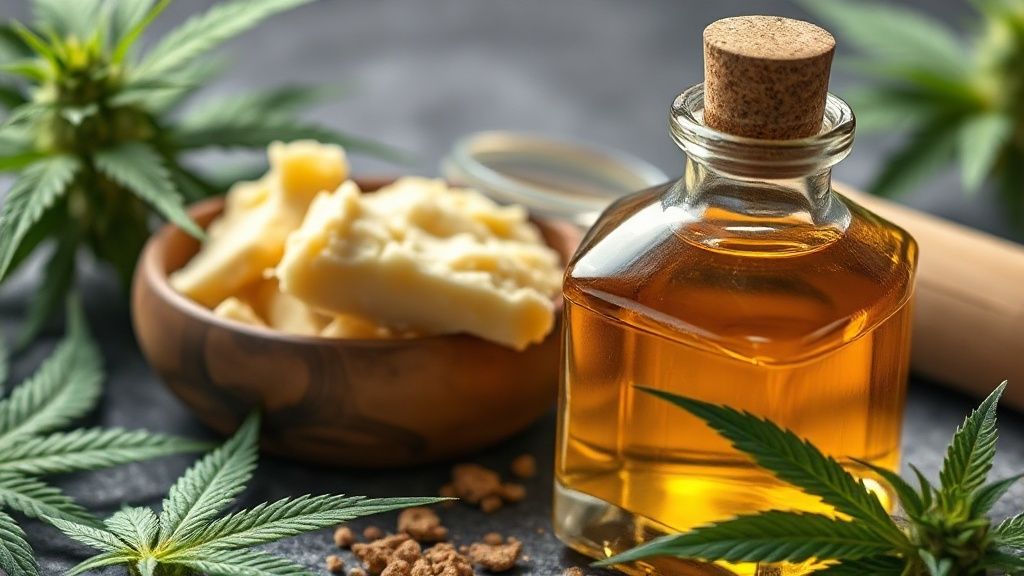
Cannabutter and Cannabis oil are more often than not a part of many marijuana related recipes. If you use oil, the type of oil used will lend to various types of recipes (including topicals). If you are needing a cannabis base that will harden, use butter or the solid form of coconut oil. You can use coconut oil as your active ingredient in topicals.
Ingredients:
14 to 28 grams of decarbed cannabis (see below)
1 lb of butter, coconut oil, olive oil, or avocado oil
1 Tbs Lecithin
Tools:
Canning jar
Large cooking pot
Something to raise the jar off the bottom of the pot
(I use a metal apple corer.)
Fine strainer – ie: reusable coffee filter, cheesecloth, coffee filters
Process-
The first step is to decarb your weed in order to activate the cannabinoids. Begin by adding about 14-28 grams of your favorite herb into the jar. Add 1 Tbs lecithin. Pour in your liquid version of the butter/oil you have chosen to use. Make sure the marijuana is covered by the liquid and moves around in the liquid easily. Set your object in the bottom of the pot and the closed jar on top of it. Fill pot so the water level is around the top of the contents of your jar. Bring water to a solid boil. Keep burner heat at medium high to maintain boil but not overboil. Set your timer for 30-45 min. When timer goes off, pull your jar from the water, open the jar to release pressure. Replace lid and gently shake the contents to stir. Repeat this process for 2-4 hours. If the water in your pot gets low, add water to match previous level.
An alternative method is to use a crockpot. Add your flower, lecithin and butter or oil to the crockpot and set on low to medium. Stir the mixture every 30-45 min for a total time of 3-4 hours.
Once you remove from heat, strain it into a container to remove any plant matter. Put container in the fridge overnight to solidify/cool, and you will have your very own homemade cannabutter/cannaoil to use in recipes!
What Is Decarbing and Why Is It Important?
Decarboxylation might sound like a scary technical term that puts you off the thought of making cannabis edibles, but fear not; in reality, decarboxylation is a simple but necessary first step to making edible cannabis.
For cannabis to have an intoxicating effect, the THCA needs to turn into THC. This happens at high temperatures, like when you light a joint and take a draw. When making edibles, this needs to occur before your cannabis is added into your recipe. The good news is, decarbing your cannabis is super easy to do.
How To Decarb Your Cannabis
It’s common to grind buds very fine when smoking joints, but that may not work as well for edibles – Smaller pieces of plant matter will heat more thoroughly but also more quickly, leading to easily burned buds. Instead, we generally recommend staying away from an ultra-fine grind for decarboxylation.
Take the buds you intend to use, break them up and place them on a baking tray, then bake for 20-30 minutes at 220-245°F. Check every ten minutes to ensure the cannabis is not scorched; if you see smoke or blackened weed, you’ve gone too far. The flower will have a slightly crispy texture.
Decarbing can be a scary sounding process, particularly if you’ve never decarbed weed before, but it genuinely couldn’t be easier once you have the basics down.